
Is Pakistan Safe to Visit? Pakistan travel guide
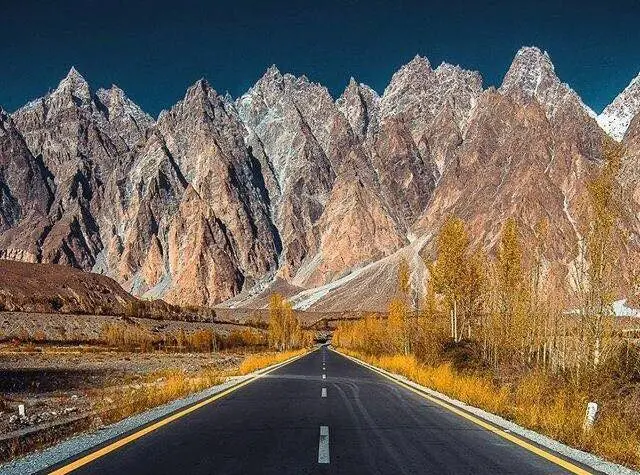
The short answer is yes, with some important context. While international headlines may paint a different picture, the security situation has improved dramatically over the last decade. A trip to Pakistan today is vastly different from one a few years ago. The key is to be informed, respectful, and prepared.
This guide will help you navigate the realities of travel in Pakistan, focusing on practical tips for safety and cultural etiquette to ensure a smooth and unforgettable trip.
Understanding the Reality for Travelers
Pakistan has become an increasingly popular destination, and many first-time visitors ask the same question: Is Pakistan safe to visit? The reality is that Pakistan has made significant progress in stability, tourism infrastructure, and overall security in recent years. Major cities and tourist regions—such as Islamabad, Lahore, Hunza, Skardu, and Swat—are generally safe for travelers who follow basic precautions. Like any international trip, staying aware of your surroundings, respecting local customs, and traveling with reliable guides can greatly enhance your safety. With proper planning, most visitors find Pakistan welcoming, hospitable, and far safer than the outdated stereotypes suggest.
The Reality of Safety in Pakistan 🇵🇰
The overwhelming sentiment from travelers and locals alike is that Pakistanis are incredibly hospitable. You’ll likely be greeted with warm smiles, invitations for tea, and genuine curiosity. The people are often the highlight of any trip here.
However, it’s crucial to acknowledge that some areas carry higher risks. Foreign governments often issue travel advisories for regions with a history of political unrest or security issues, such as parts of Balochistan and certain border areas. These are generally not places a tourist would visit anyway. The most popular tourist circuits, including the northern areas and major cities, have robust security measures in place.
· Northern Areas (Gilgit-Baltistan): Widely considered one of the safest regions, the northern areas are a haven for mountaineers and trekkers. The majestic peaks of the Karakoram and Himalaya ranges attract visitors from all over the world.
· Major Cities (Lahore, Islamabad, Karachi): These cities are generally safe, but like any large metropolis, they require a degree of situational awareness. Petty crime can occur, so be mindful of your belongings, especially in crowded markets.
Key Safety Tips for First-Time Travelers
While Pakistan is a welcoming country, here are some essential tips to keep you safe and comfortable:
1. Be Smart with Your Itinerary: Stick to well-traveled tourist routes, especially for your first visit. The popular “Golden Triangle” of Lahore, Islamabad, and the northern areas is a great starting point.
2. Hire a Reputable Guide or Company: This is one of the best investments you can make. A professional tour company like ours can navigate logistics, provide local insights, and ensure you’re aware of any local conditions. This is particularly important for adventure trips and remote areas.
3. Stay Informed: Follow local news and check for updates from your embassy’s travel advisory. Your guide or travel company will also be your best source for real-time information.
4. Use Ride-Sharing Apps: In major cities, use apps like Uber or Careem instead of flagging down taxis. It’s safer, more reliable, and you’ll avoid overpaying.
5. Secure Your Belongings: Keep valuables out of sight and use a secure bag. In crowded areas, consider wearing your backpack on your front.
6. Stay Aware of Your Surroundings: This is a universal travel tip, but it’s especially important here. Pay attention to what’s happening around you, and trust your instincts.
A Guide to Cultural Etiquette
Respecting local customs is key to a positive experience and will earn you immense goodwill with the people.
1. Dress Modestly: Pakistan is a conservative, predominantly Muslim country. For both men and women, wearing loose-fitting, long-sleeved clothing is respectful and helps you blend in. A scarf is a useful accessory for women, particularly when visiting mosques.
2. Hospitality is Sacred: Pakistanis are incredibly generous. Be prepared for countless invitations for tea or meals. While you can politely decline, accepting these gestures is a wonderful way to connect with locals.
3. Use Your Right Hand: In Islamic tradition, the right hand is used for eating and greeting, while the left is considered unclean. Always offer and receive things with your right hand.
4. Show Respect at Religious Sites: When visiting mosques or shrines, remove your shoes and dress modestly. Avoid taking photos during prayer times.
5. Public Displays of Affection: Avoid public displays of affection with your partner, as this is not culturally accepted.
6. Ask Before You Photograph: People are generally happy to have their photo taken, but always ask for permission first. Avoid taking pictures of military installations or police checkpoints.
In navigating the complexities of travel within Pakistan, it is essential to consider both safety and cultural etiquette. The Pakistan travel guide emphasizes that understanding local customs, such as showing respect at religious sites and being cautious with photography, significantly enhances your experience. The question, Is Pakistan Safe to Visit? can be answered affirmatively when travelers approach the culture with respect and caution. By adhering to these practices, visitors can foster positive interactions and ensure a rewarding journey through this vibrant nation.